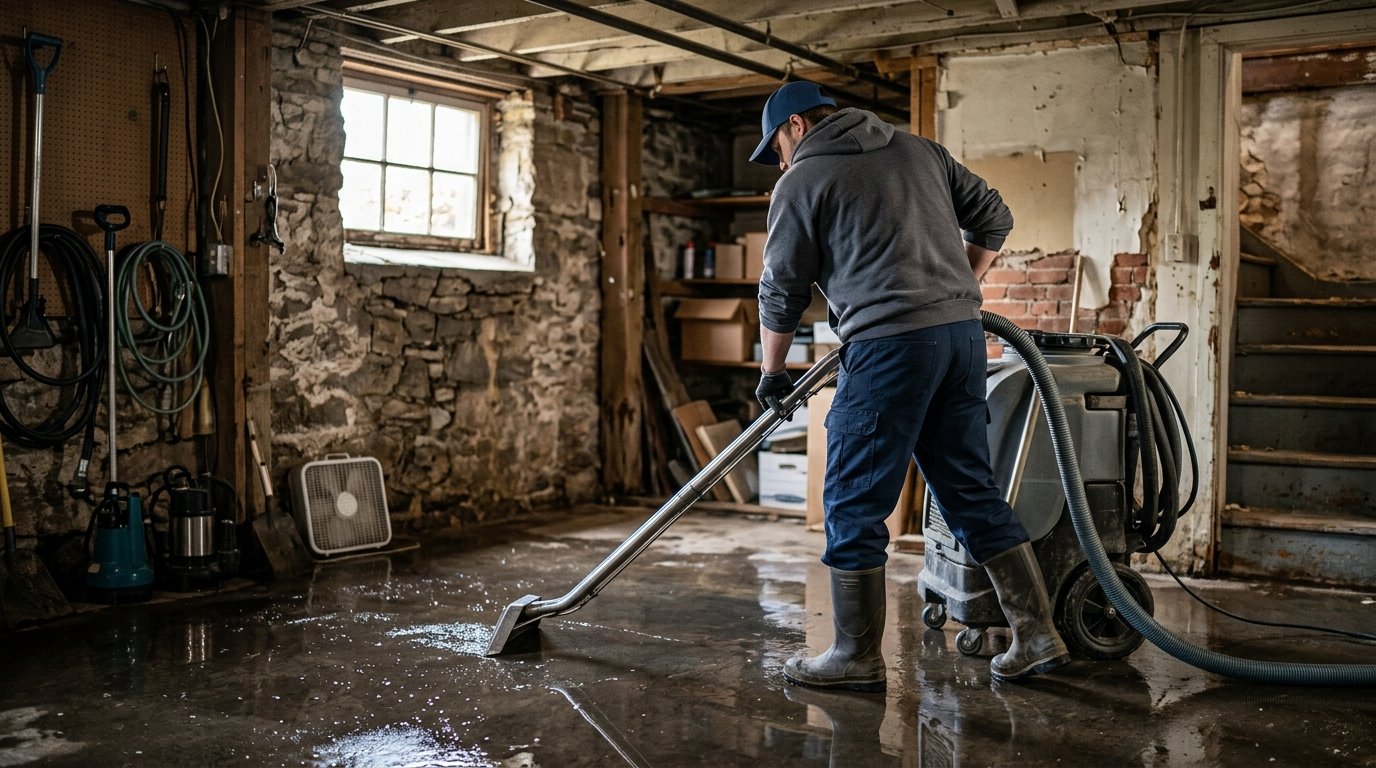

Mold Inspection in Solon: Protect Your Home's Value
A thorough mold inspection in Solon can catch hidden moisture problems before they spread through drywall, flooring, and framing. That matters most right now, as falling temperatures push homeowners to seal up windows and run furnaces for the first time since spring. Once a house is closed up for the season, trapped moisture has nowhere to go.
Hathaway Environmental LLC has watched this pattern repeat every November across basements in the area. Humid fall air gets trapped indoors just as heating systems kick on, creating the exact conditions mold needs to take hold.
When Mold Inspection in Solon Can't Wait
The area swings hard between wet autumns and frozen winters. That transition is rough on basements, crawl spaces, and anywhere moisture likes to collect.
Mold does not wait for a convenient season to start growing. Spores can begin colonizing a damp surface within 24 to 48 hours of water exposure, often well before any visible staining shows up. By the time a musty smell reaches the main floor, colonization may already be well underway behind the baseboards.
A late fall basement check, before the ground freezes and gutters clog with leaves, catches problems while they are still manageable. Waiting until spring thaw means months of unseen growth.
The Real Cost of Skipping Inspection
Mold is not just an air quality nuisance. It is a financial liability that can quietly erode a home's resale value.
Unresolved mold or past water damage that was never properly remediated is a real threat. It can reduce a home's market value by 20 to 37 percent, according to reported cases. Even more striking, roughly half of interested buyers walk away entirely once active mold turns up during a home inspection.
For homeowners planning a sale next spring, this is the season to act. The same goes for anyone protecting their biggest asset. A documented, professional inspection now gives you leverage and peace of mind later.
What a Modern Inspection Actually Involves
Inspection technology has changed considerably in recent years. Technicians no longer need to cut open walls just to chase down a slow leak.
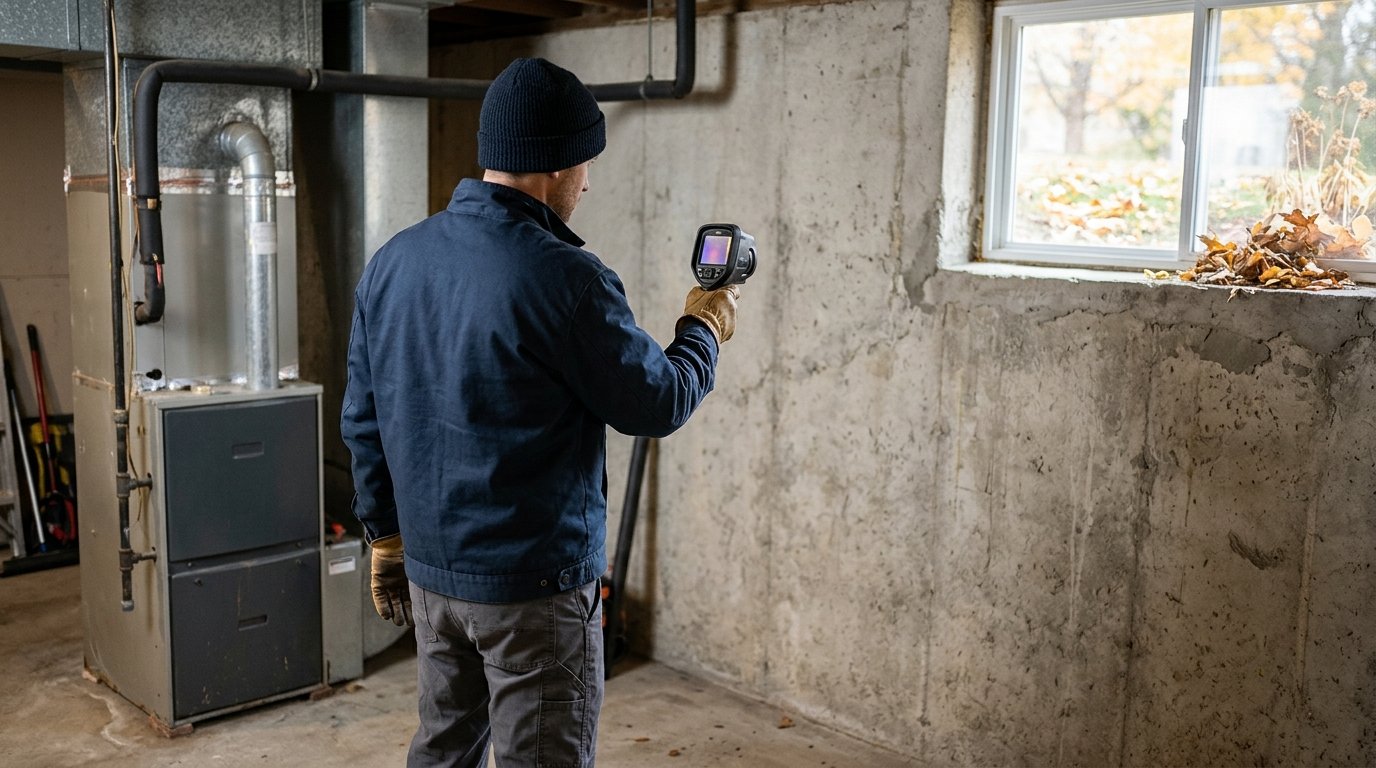
Thermal imaging cameras and moisture-mapping meters let inspectors see temperature shifts caused by hidden dampness behind walls and beneath subfloors. This means a mold inspection in Solon can pinpoint the source of a problem with minimal demolition, saving homeowners both time and repair costs.
A proper inspection typically includes:
- Visual assessment of basements, attics, and crawl spaces
- Moisture meter readings on walls, floors, and framing
- Thermal imaging scans to locate hidden water intrusion
- Air sampling where airborne spore activity is suspected
- A written report outlining findings and recommended next steps
Signs You Shouldn't Ignore This Fall
Some warning signs are easy to dismiss as normal seasonal changes. They deserve a closer look instead.
Watch for these common red flags as temperatures drop:
- A persistent musty odor in the basement or near windows
- Condensation building up on interior walls or windowsills
- Discoloration or soft spots on drywall near plumbing lines
- Unexplained allergy symptoms that ease when you leave the house
- Recently patched roof leaks or past flooding events that were never fully dried out
Any one of these on its own might be minor. Several together usually point to a moisture problem worth investigating.
Why Cosmetic Fixes Backfire
It is tempting to paint over a damp ceiling spot or spray a store-bought product on a basement wall and call it solved. Unfortunately, that approach almost never addresses the actual cause.
Mold is a symptom of trapped moisture or poor airflow, not the root problem itself. Painting over it leaves the water source active, so spores typically return within weeks. Proper remediation means eliminating the moisture, sealing off containment zones, and confirming clean air through post-remediation testing.
Older homes in the area sometimes carry another layer of complexity. Remodeling or drying out water-damaged areas in structures built before the late 1970s can disturb legacy materials that may contain asbestos. That is why pairing a mold inspection with asbestos testing services is a smart move before any demolition or repair work begins.
What Homeowners Appreciate Most
Property owners dealing with suspected mold are usually stressed, and often unsure what they are actually facing. Clear, honest communication about what needs to happen next matters most. Fair, transparent pricing matters just as much too. Together, they're what people remember after the work is done.
That straightforward approach, explaining findings plainly and only recommending work that is genuinely necessary, is what turns a stressful situation into a manageable one.
Frequently Asked Questions
How long does a typical mold inspection take?
Most residential inspections take between one and two hours, depending on the size of the home and whether thermal imaging or air sampling is needed.
Can I smell mold before I can see it?
Yes, a musty odor is often the first sign. Mold can grow behind walls or under flooring long before any visible staining appears.
Is mold inspection necessary if I don't see any stains?
Absolutely, since nearly half of residential buildings show signs of moisture or mold odors without obvious visible damage, hidden growth behind walls is common.
Does cold weather stop mold from growing?
No, indoor heating creates warm, humid pockets in basements and attics that can sustain mold growth all winter long, even while it is freezing outside.
Will inspection disturb my walls or flooring?
Modern thermal imaging and moisture meters allow inspectors to assess most areas without cutting into drywall or subflooring, minimizing disruption to your home.
Fall humidity and furnace season can raise real questions. If you're wondering what might be growing behind your walls, now is the time to find out. Schedule a mold inspection and head into winter with real answers instead of guesswork.