
Mold Removal Lakewood: Why Ventilation Is the Key
Mold removal solves the visible problem. Without fixing the ventilation causing it, mold always comes back. That is the hard truth that many Lakewood homeowners learn after their second or third remediation call.
Hathaway Environmental LLC works with property owners throughout Lakewood, Cleveland, and Solon who have done everything right on the surface, only to find mold creeping back within months. The root cause is almost always the same: trapped indoor moisture with nowhere to go.

Why Lakewood Homes Are Especially Vulnerable
Lakewood's housing stock is genuinely beautiful. Historic homes built between 1900 and 1930 line the neighborhoods here, and their character is irreplaceable. But those same homes were designed in an era before modern moisture management was understood.
Roughly half of Ohio's homes were built before 1965. Many of these older structures rely on passive airflow that was never designed to handle modern living habits. Cooking, hot showers, and daily breathing all release moisture into the air. Older homes moved air naturally through gaps and drafts. Tightly sealed modern upgrades eliminate those pathways.
Ohio's average summer humidity already exceeds 70 percent. Add a sealed historic home and that moisture has nowhere to escape. It condenses on cooler interior surfaces instead.
The Sealing Problem Hiding Inside Your Walls
Energy efficiency upgrades are smart. Double-pane windows, heavy insulation, and weather stripping genuinely lower utility bills. The problem arises when these improvements are added to older homes without updating how air flows through the building.
When a home is sealed without balancing its airflow dynamics, humidity condenses behind drywall, under flooring, and inside attics. These are spots you will never see during a casual walk-through. By the time visible mold appears on a surface, colonization has typically been underway for weeks or longer.
Mold spores can begin germinating on damp building materials in as little as 24 to 48 hours. That timeline leaves almost no room for a wait-and-see approach after a basement flood or a slow plumbing leak.
Signs Your Lakewood Home Has a Moisture-Driven Mold Problem
Not every mold problem announces itself with a dramatic black patch on the wall. Watch for these warning signs:
- A musty or earthy odor that lingers even after cleaning
- Condensation consistently forming on interior window surfaces
- Warping, bubbling, or soft spots on drywall or flooring
- Allergy-like symptoms (coughing, sneezing, itchy eyes) that improve when you leave the home
- Visible discoloration in corners, closets, or along baseboards
- A basement or crawl space that feels noticeably damp compared to the rest of the house
Any one of these signals deserves a professional look. Several together mean action is overdue.
What Proper Mold Removal Actually Involves
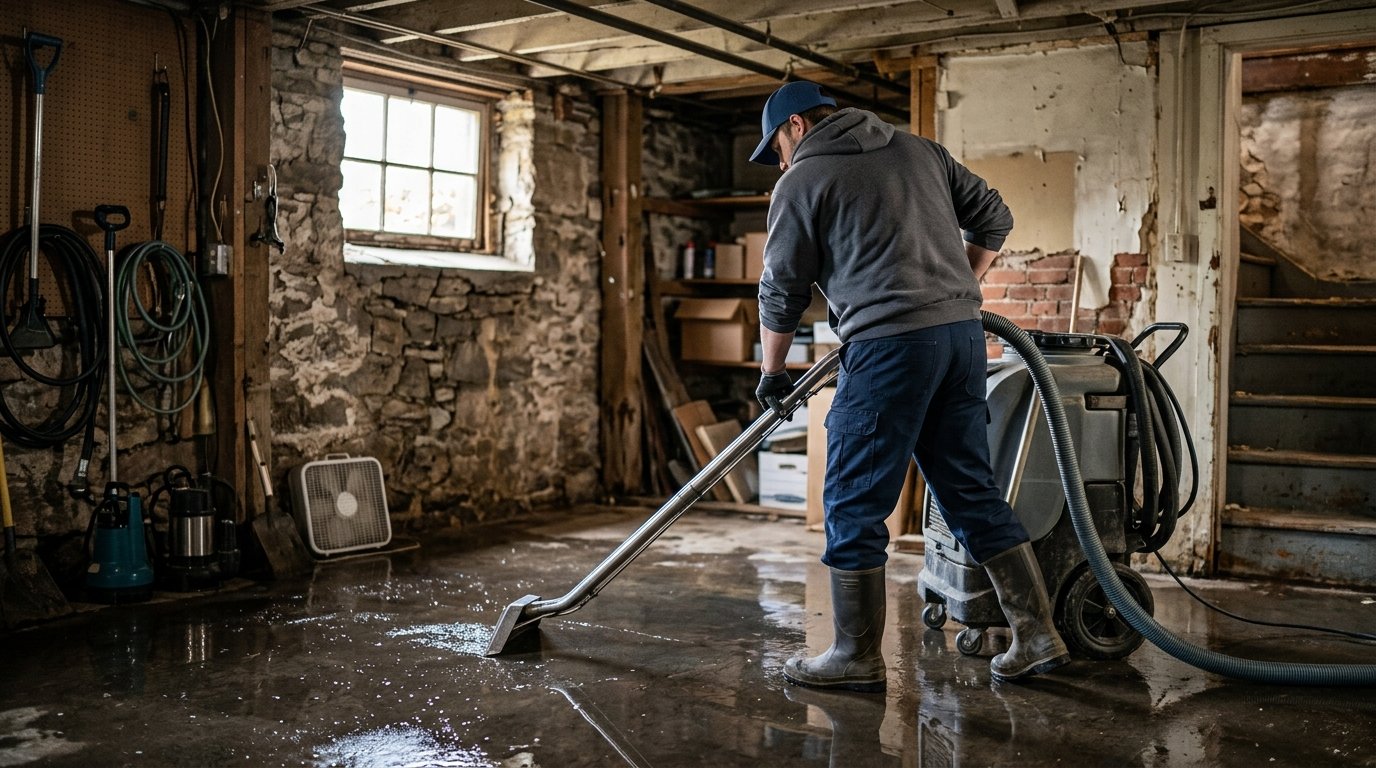
Running fans after a flood is not remediation. It moves moist air around. It rarely dries structural materials like wood framing or concrete block walls to safe levels. This is particularly relevant heading into September, when late summer storm systems and heavy downpours continue to test Lakewood's older drainage infrastructure.
Professional mold removal starts with a thorough inspection to identify every affected area, including spaces that are hidden from view. Remediation then removes contaminated materials safely, treats surfaces with appropriate agents, and addresses the structural areas where spores have penetrated.
But removal alone is only half the job. Modern environmental remediation standards now pair mold removal with professional ventilation services. The goal is balanced indoor airflow. It keeps relative humidity consistently below 50 percent. That is the threshold where mold cannot thrive. Without reaching it, the conditions that created the mold simply regenerate a new colony.
How Ventilation Services Work Alongside Remediation
Ventilation services assess how air currently moves through your home and identify where the system breaks down. Solutions may include improving exhaust airflow in kitchens and bathrooms, installing mechanical ventilation to exchange stale humid air for fresh outdoor air, or adjusting how attic spaces breathe.
The objective is not to make a home drafty. It is to create controlled, consistent airflow that manages moisture levels without sacrificing comfort or energy efficiency. When ventilation is properly balanced, the damp microclimates where mold colonizes simply stop forming.
This approach is especially important in Lakewood's older homes, where attic spaces and crawl areas are common problem zones. Moisture accumulates in these areas quietly and steadily. It builds over months and seasons before a problem becomes obvious.
The Role of a Professional Mold Inspection
Before any work begins, a professional mold inspection establishes the full scope of the problem. Visual checks alone miss contamination inside wall cavities and subfloor spaces. Inspection includes moisture mapping and air quality evaluation to confirm where mold is actively growing versus where conditions simply favor future growth.
This step protects homeowners from paying to remediate one area while a separate hidden colony continues spreading unchecked.
FAQ
Can I handle mold removal myself with store-bought products?
Surface products may bleach visible mold on non-porous materials. They do not reach mold growing inside drywall, wood, or insulation. Without professional tools and moisture assessment, DIY removal typically leaves the root problem in place.
How quickly does mold grow after water damage?
Mold spores can begin colonizing damp building materials in as little as 24 to 48 hours, particularly in warm, humid conditions like those common in Lakewood during late summer.
Does mold removal fix the problem permanently?
Only when the moisture source is identified and corrected. Removal without ventilation improvements often results in recurring mold growth, because the underlying humidity conditions remain unchanged.
How do I know if my home has a ventilation problem?
Condensation on interior windows, persistent musty odors, and recurring mold in bathrooms or closets are common indicators. A professional inspection can measure your home's actual air exchange rate and identify where moisture is accumulating.
Is mold a concern in Lakewood's older homes specifically?
Yes. Homes built before modern ventilation standards rely on airflow designs that were never intended to work alongside today's energy-efficient sealing methods. This creates elevated moisture risk in walls, attics, and basements throughout the area.
Mold does not wait, and neither should you. If your Lakewood home shows any signs of moisture intrusion or mold growth, reach out to the team at Hathaway Environmental LLC to schedule a professional inspection and get a clear plan for lasting remediation.